
The Rooftops Above the Hardware Shops
Here is the first thing to understand: there is no single place called “the Euljiro rooftop bar.” Euljiro is a scene, not a venue — a district of printing presses, tool shops and machine parts by day that transforms after dark into Seoul’s most quietly cool nightlife quarter, nicknamed “Hipjiro” by the young crowd who colonized it. The signature move here is climbing to a rooftop bar hidden above an old workshop, reached through an unmarked door or a freight elevator that looks like it goes nowhere good. Finding one is genuinely half the fun. This guide is about how that works, how to enjoy it, and how not to be the tourist who ruins the vibe.
Why Euljiro Nights Feel Different
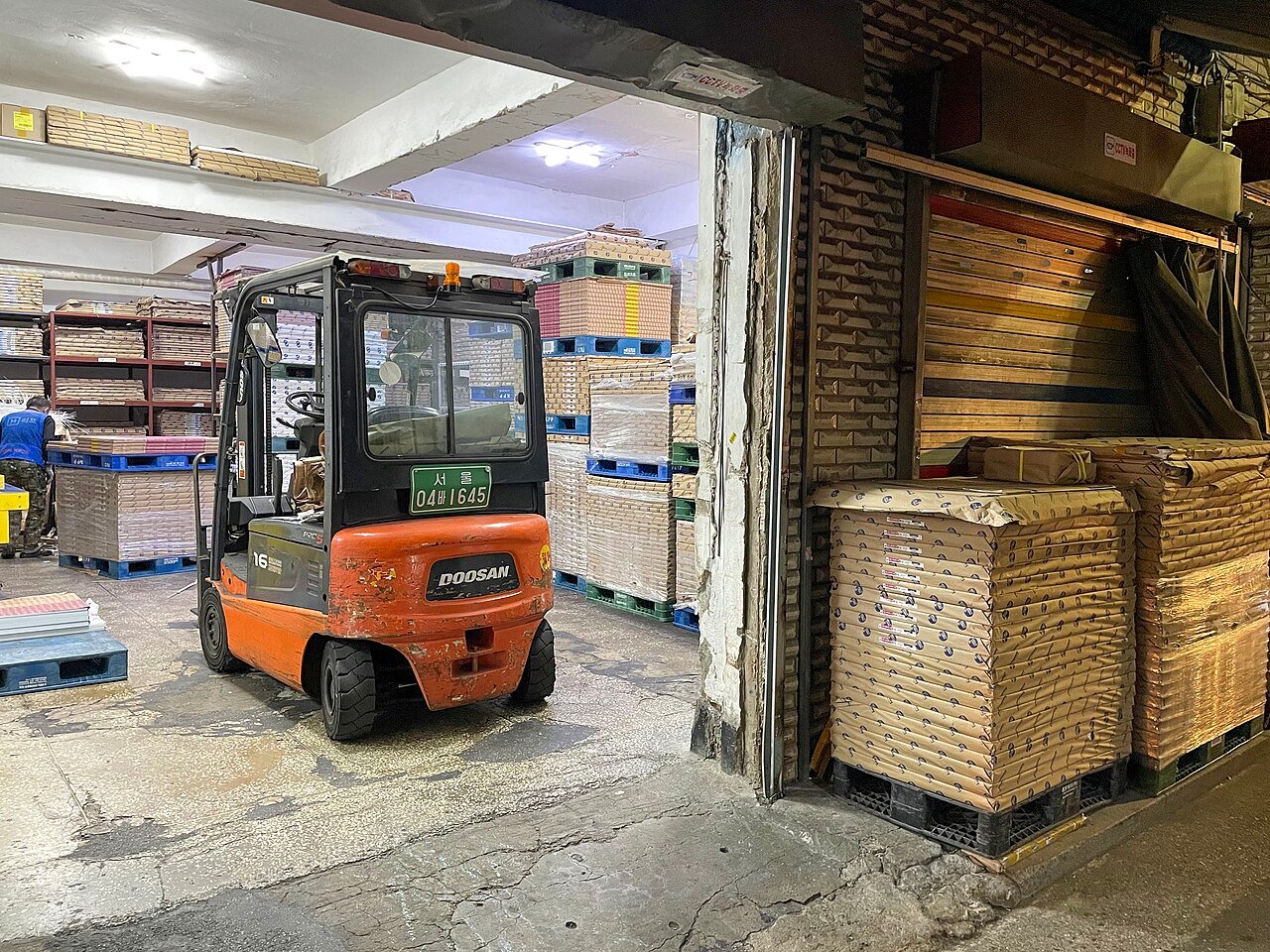
Every nightlife district has a personality, and Euljiro’s is deadpan cool. The area never tore down its industrial guts, so its bars live inside the gaps — a cocktail room behind a shutter that still says “printing,” a wine spot up a concrete stairwell, a rooftop wedged between water tanks and neon. The aesthetic is raw on purpose: exposed pipes, salvaged furniture, dim bulbs, and a crowd of designers, artists and off-duty locals who found it before the algorithm did. It is the antithesis of Gangnam’s polish and Hongdae’s noise — a place you go to drink well and talk, not to be seen. Half the charm is the whiplash of stepping off a grimy tool-shop street and into a beautifully considered little bar you would never have guessed was there.
How to Find a Euljiro Rooftop Bar
The finding is the ritual, and it rewards a little effort. Because signage is minimal by design, the honest tools are your phone and your nerve: search current Euljiro bars in Naver Map or Instagram, note the ones with rooftop terraces, and be willing to trust a doorway that gives you nothing. Many spots hide behind plain steel doors, up narrow stairs, or through an old elevator, so if a pin points at what looks like a shuttered workshop, you are probably in the right place — push the door. Ask staff at one bar where else is good nearby; the scene is small and friendly and people share. Do not expect a strip of obvious storefronts, and do not give up at the first blank wall — the reward for climbing the ugly stairwell is a city view and a drink you will remember.
How to Get There
The heart of the scene sits around Euljiro 3-ga Station, on Lines 2 and 3, with exits that drop you straight into the print-and-tool alleys — Exit 10 and the surrounding blocks are the usual jumping-off point. From there it is all on foot; this is a district you wander rather than navigate to a single address. Use Naver Map or Kakao Map for the walking bits, since Google Maps is unreliable for directions in Korea, and remember that the subway stops running around midnight — so either catch a late train or plan on a taxi home, which is easy and cheap by global standards. Come by daylight the first time if you want to scout the geography; come after dark for the actual magic.
Best Time and Local Tips
Most Euljiro spots open early evening and run past midnight, later on weekends — go after the workshops close, when the contrast between day and night is sharpest, and aim for sunset if a rooftop is the goal, because the city lights coming on is the whole show. Weeknights are calmer and more characterful; Friday and Saturday fill up, and the best rooftops can hit capacity, so arrive earlier than you think you need to. Make it a full evening rather than one drink: Ikseon-dong hanok village is a short walk north for dinner among restored courtyard houses, and Myeongdong is one stop away if you want to shop before you drink. And if this hidden-door, warehouse-cool style of night is your thing, the sequel is across the river in Seongsu — our guide to Hamo Seongsu covers a founder-picked bar in the city’s other great converted-factory district.
Good to Know
- Euljiro 3-ga Station (Line 2/3), around Exit 10 — the print-and-tool alleys are the scene’s core.
- There is no one “rooftop bar” — it is a cluster of hidden spots you find on foot.
- Many entrances are unmarked steel doors, back stairs or old elevators — push on through.
- Most bars open early evening and run past midnight, later on weekends; sunset is prime for rooftops.
- Weekends fill fast and rooftops cap out — arrive early or go on a weeknight.
- Subway stops around midnight; a taxi home is easy and affordable.
Euljiro Rooftop Bar FAQ
Is there one specific rooftop bar to go to?
No, and that is the point. Euljiro’s appeal is a shifting cluster of hidden bars — some with rooftops, some tucked behind shutters — that open, close and change often. Rather than chasing a single name, treat the district as the destination and let the finding be part of the night.
How do I get into places with no sign?
Trust the map pin and try the door. Unmarked entrances, plain stairwells and old freight elevators are normal here, not warnings — a plain steel door beside a workshop is often exactly the bar you are looking for. If you are unsure, ask staff at one spot to point you to another; the scene is small and people are generous with recommendations.
Is Euljiro good for a first-time visitor?
If you like atmosphere over convenience, very much so. It rewards curiosity and a willingness to wander, which makes it more memorable than a polished bar street — just come with a charged phone, an open mind, and no fixed plan. If you need everything signposted and immediate, it may frustrate you.
Skip the search for one perfect address and go hunting instead. In Euljiro, the ugly stairwell, the blank steel door and the city-lit rooftop at the top of it are not obstacles between you and the bar — they are the bar.