
Somewhere between the tenth palace photo and the third souvenir alley, most travelers in Seoul hit the same realization: the best keepsake would be something you actually made. That is exactly what an Insadong pottery class delivers — an hour or so at a wheel with your hands in Korean clay, in the neighborhood that has been the city’s traditional-arts heart for the better part of a century. Here is what a class actually involves, when to book ahead versus just walking in, and how to get your finished piece home.
Why Insadong Is the Place to Do It
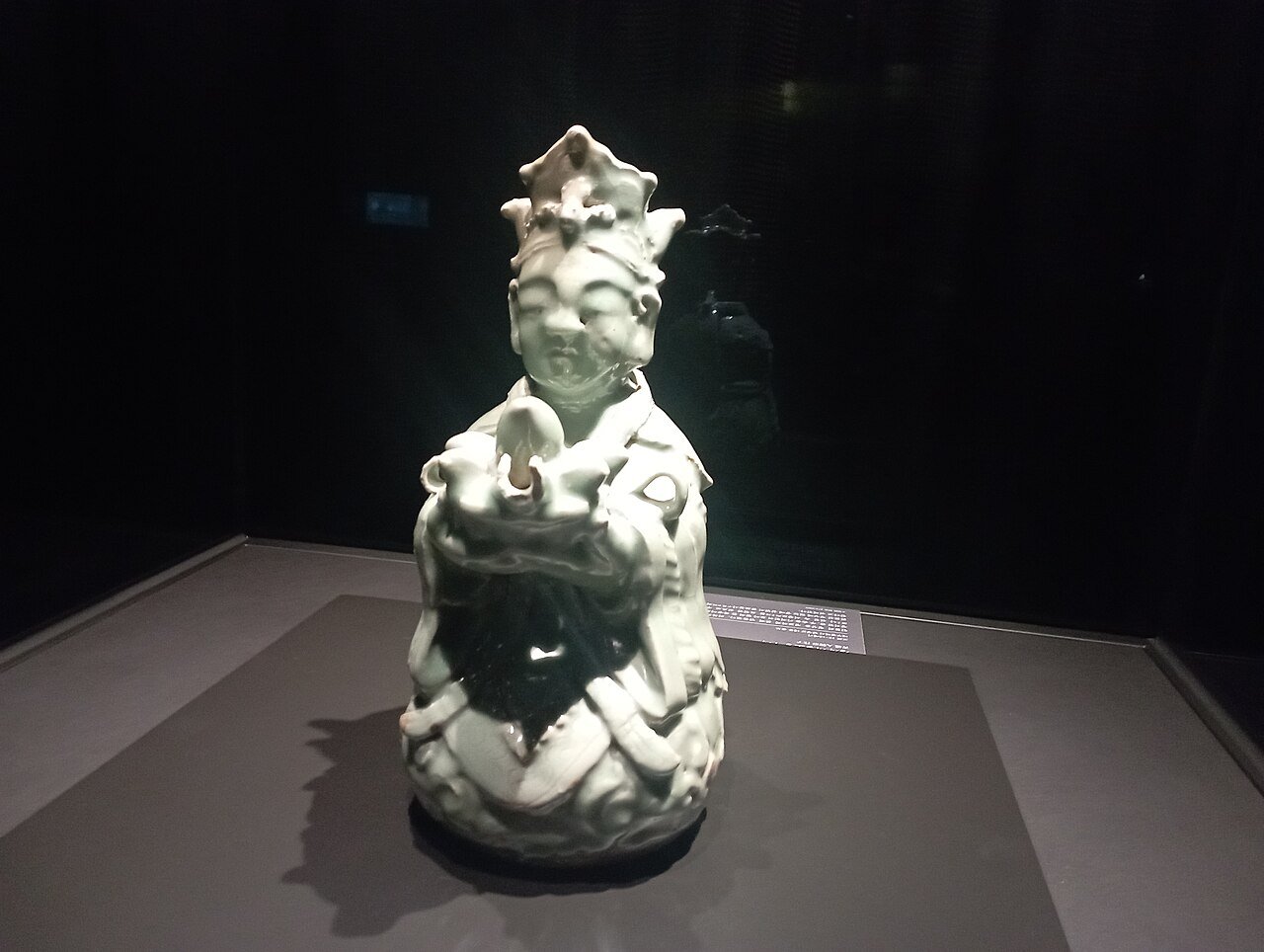
Insadong grew up as Seoul’s street of antique dealers, calligraphy-brush shops, galleries, and tea houses, and ceramics run deep in that story. Korea’s pottery tradition — from the jade-green celadon of the Goryeo era to the austere white porcelain of the Joseon dynasty — ranks among the most admired in the world, and Insadong is where that heritage still gets bought, sold, and taught. You could learn to throw a pot anywhere, but shaping one a few doors down from shops that have handled ceramics for generations gives the hour a certain weight. The workshops tucked deep in the alleys, some run by families with decades at the wheel, are the ones locals point you toward.
What an Insadong Pottery Class Actually Looks Like
Most studios offer two formats. Wheel-throwing is the classic: you sit at an electric wheel, the instructor guides your hands, and a lump of clay slowly becomes a bowl, cup, or small vase — wobblier than you hoped, more charming than you expected. Hand-building — pinching and coiling clay into shape — is slower and more forgiving, which makes it the better pick for kids or anyone nervous about the wheel. Sessions typically run around an hour, aprons are provided, and no experience is expected; the teaching is physical and visual, so the language barrier barely registers.
The one catch is time. Your piece has to dry, be glazed, and be fired in a kiln, which takes weeks — you will usually pick a glaze color and leave the rest to the studio. Most offer pickup later or domestic delivery, and some will ship internationally for an extra cost. If you are leaving Korea soon, ask about shipping before you start, not after.
Walk In or Book Ahead?
Here is the local secret: the small workshops in and around Ssamziegil — the spiral-courtyard craft mall on the main street — often take walk-ins, especially on weekdays, and the quality of teaching in these alley studios is excellent. If you like leaving room for whims, simply wander in mid-morning and ask. If your schedule is tight or you are visiting on a weekend, book ahead: English-friendly sessions are listed on platforms like Creatrip, and reserving costs you nothing but spares you a full-studio shrug at the door.
Getting There
Take line 3 to Anguk Station and use exit 6 — the head of Insadong-gil is about a two-minute walk, as of 2026. Studios generally operate within a 10:00 to 19:00 window, with the last sessions starting well before closing, so aim for morning or early afternoon and check individual studio hours before you go. On weekends the main street goes car-free and fills up fast, which is great for people-watching and less great for snagging a wheel.
Timing and What to Pair It With
Weekday mornings are the sweet spot: quiet studios, patient instructors, and tea houses with free tables afterward. Insadong also sits squarely on Seoul’s traditional axis, so the pairing writes itself — start with the morning guard ceremony using our Gyeongbokgung Palace guide, walk the lanes of Bukchon Hanok Village, then finish with clay under your fingernails. Spring visitors squeezing everything in can even start with a dawn walk on the Namsan cherry blossom path and still make a late-morning class. For broader neighborhood context, VisitKorea keeps a current overview of Insadong’s shops and events.
Good to Know
- Classes usually run about an hour; aprons are provided, but skip your favorite white outfit anyway.
- Fired pieces are ready weeks later — arrange pickup, local delivery, or international shipping before you begin.
- Weekday walk-ins around Ssamziegil usually work; weekends deserve a reservation.
- Typical hours are 10:00–19:00, but each studio sets its own — check before you go.
- Anguk Station (line 3), exit 6 puts you two minutes from the action.
- Prices vary by studio and format, so compare a couple of listings rather than assuming.
Insadong Pottery Class FAQ
Do you need to speak Korean to take a pottery class?
No. Pottery is taught hands-on — instructors demonstrate and physically guide the clay — so even studios without fluent English staff handle foreign guests comfortably. If you want guaranteed English instruction, book through an English-language platform and say so in the booking note.
Can you take your pottery home the same day?
Not the piece you threw — glazing and kiln-firing take weeks. Studios typically offer later pickup or delivery, and many can ship overseas for a fee. If your flight leaves before the kiln does, confirm international shipping first.
Is it suitable for beginners and kids?
Completely. Classes assume zero experience, and hand-building sessions in particular suit children well. The instructors have seen every possible collapsed bowl — yours will not surprise them.
A palace ticket shows you Korea’s past; an hour at the wheel lets you hold a small piece of it, glazed and fired, in your own two hands. Few souvenirs from Seoul earn their suitcase space so honestly.