
Kimchi is so woven into Korean life that most visitors never stop to think about what it actually is — a living, fermenting food with centuries of science and ritual behind every jar. Museum Kimchikan, tucked into the upper floors of the Insadong Maru building, is where that invisible depth gets pulled into the light. CNN has named it among the world’s best food museums, and it earns the billing: this is not a room of dusty display cases but a hands-on, sensory walk through the history, chemistry and craft of Korea’s national dish, tastings included. If Insadong is already on your list for its galleries and tea houses, this is the stop that turns a snack you take for granted into something you understand.
What to Expect at Museum Kimchikan
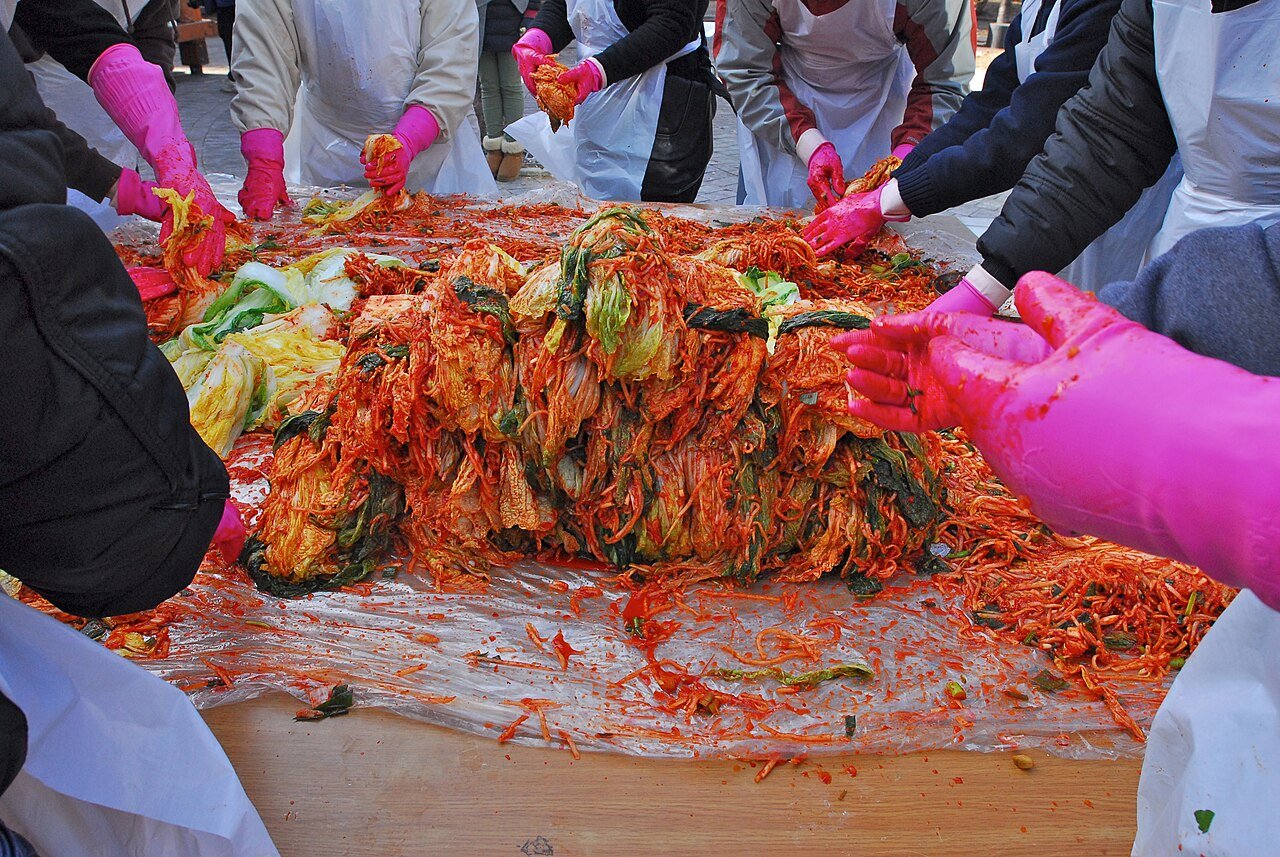
The museum spreads across a few floors and moves you through kimchi from every angle. There are exhibits on how fermentation works and why it makes kimchi both a preserved food and a probiotic one; displays on the astonishing regional variety, since kimchi in coastal Jeolla tastes nothing like kimchi in mountainous Gangwon; and reconstructions of the old ways families stored their winter batches in buried earthenware. There are also touches on the social side of kimchi — kimjang, the communal late-autumn ritual where families and neighbours make enormous batches together, a tradition recognised by UNESCO for its role in binding communities. It is compact enough to see thoroughly in an hour or two, and thoughtfully bilingual, so you are never guessing at the story. The tone is playful rather than academic — this is a place designed to make you curious, not to lecture you, and it is well pitched for kids and adults alike.
Tastings and the Kimchi-Making Class
The part visitors remember is the hands-on one. Tastings let you compare styles side by side, and the real draw is the kimchi-making class, where you mix the seasoning paste, coat the cabbage, and pack a jar of your own. It is messy, sensory and genuinely fun, and — usefully — you can take your jar home, since fermented, sealed kimchi is generally fine in checked luggage. Classes run on a schedule and fill up, so reserve ahead through the official channel rather than hoping for a walk-in slot. If you only do one interactive food activity in Seoul, this is a strong contender: you leave with a skill, a souvenir and a much better appetite for the next meal.
Insadong makes the museum easy to fold into a bigger day. The neighbourhood flows straight into the palace district, so you could pair it with the rental studios of Gyeongbokgung’s hanbok street a few minutes north, or slot it into our one day in Jongno route. For an evening pivot from culture to spectacle, the esports crowds at LoL PARK are a short ride away at Jonggak — a very Seoul kind of double bill.
How to Get There
Museum Kimchikan sits on the 4th to 6th floors of the Insadong Maru building, a short walk from Anguk Station (Line 3), Exit 6. Anguk is also the gateway to Bukchon and the palaces, which is why this corner of Seoul rewards a slow, on-foot day. Opening hours run roughly 10:00 to 18:00 and the museum closes on Mondays, so build your visit around that as of 2026 — and confirm current hours and class times on the official Museum Kimchikan site before setting out. Use Naver Map or Kakao Map to navigate; Google Maps is patchy for walking directions in Seoul.
Good to Know
- Location: Insadong Maru building, floors 4–6, near Anguk Station (Line 3), Exit 6.
- Hours are roughly 10:00–18:00, closed Mondays, as of 2026 — verify before you go.
- Book the kimchi-making class in advance through the official website; slots are limited.
- Sealed, fermented kimchi is generally allowed home in checked luggage — pack it well.
- Exhibits are bilingual and the visit takes about one to two hours.
- Combine it with Insadong’s galleries and tea houses, or the nearby palace district.
Museum Kimchikan FAQ
Is the museum worth it if I already eat kimchi all the time?
Especially then. Most people who eat kimchi daily have never thought about the fermentation science or the wild regional range, and the museum reframes a familiar food entirely. The making class adds a hands-on layer no restaurant meal can.
Do I need to book ahead?
For general entry you can usually just turn up during opening hours, but the kimchi-making class has limited spots and should be reserved in advance through the official website. If the class is the reason you are going, do not leave it to chance.
Can I really take my kimchi home on the plane?
Sealed, fermented kimchi generally travels fine in checked luggage — the museum packs it with travel in mind. Rules vary by destination country, so it is worth a quick check of your home customs regulations, but plenty of visitors carry a jar back without trouble.
Give Museum Kimchikan an hour or two, roll up your sleeves for the class, and you will never look at that little dish of red cabbage the same way again. It is Insadong’s quietest crash course in Korea.