
The Quiet Side of the Palace
Most visitors to Gyeongbokgung file out of the palace, turn right toward Bukchon, and never learn that the more soulful hanok neighborhood is on the other side. Seochon Village sits directly west of the palace walls, in the pocket of Jongno between the royal grounds and the green shoulder of Inwangsan mountain. Where Bukchon is a hillside of grand houses and camera-toting crowds, Seochon is flat, lived-in, and gently unglamorous: tiled-roof homes with laundry on the line, half-century-old bookshops, tiny galleries, and a covered market where grandmothers still do their shopping. It is the version of old Seoul that never got tidied up for tourists, and that is exactly why it rewards the people who wander in.
A Neighborhood With a Long Memory
Seochon — the name simply means “west village” — has been a home for artists and writers for centuries. In the Joseon era it was a quarter for the jungin, the educated middle class of clerks and painters who lived in the palace’s shadow, and that creative streak never left. The great landscape painter Jeong Seon worked this ground, and in the twentieth century the neighborhood drew poets and painters who are still commemorated in small museums and literary houses tucked between the houses. Unlike a preserved folk village, Seochon was never frozen in time; it kept being an ordinary place to live, which is why its hanok alleys feel like a working neighborhood rather than an exhibit. The tradeoff is honest: not every lane is postcard-perfect, but the ones that are feel earned.
What to Expect in Seochon Village
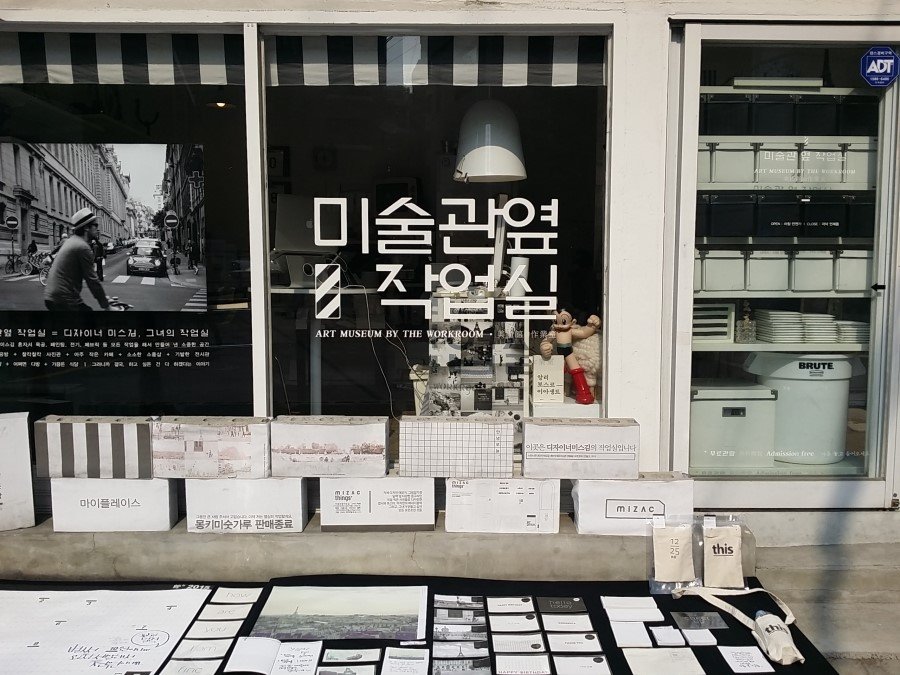
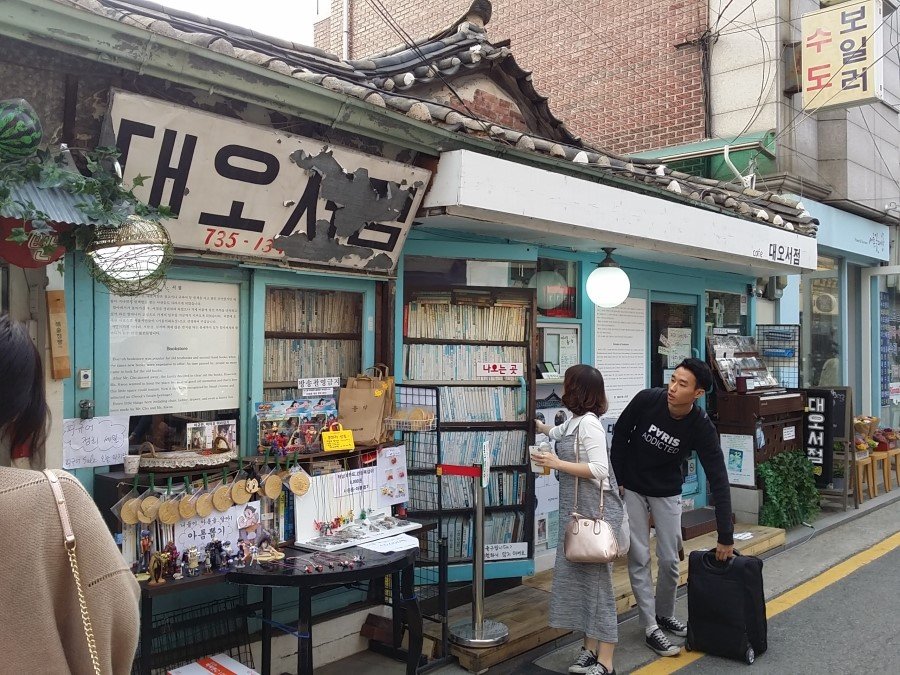
Come to wander, not to tick off a list. The heart of the neighborhood is Tongin Market, a modest covered market famous for a charming lunch ritual: you change cash for brass tokens shaped like old coins, then walk the stalls filling a lunchbox tray with whatever banchan and street snacks catch your eye. It is cheap, communal, and one of the most quietly fun meals in the city — though hours and the token booth’s schedule shift, so treat the details as a guide rather than a guarantee. Beyond the market, Seochon is a collection of small pleasures: independent bookshops (one of Seoul’s oldest survives here), artist studios, coffee roasters in converted homes, and hanok restaurants that never bothered to print an English menu. Most shops keep loose hours, roughly 11 AM to 8 PM, and each closes on its own rhythm. Save time for the top of the village, where the Suseong-dong Valley trail follows a hidden stream up toward Inwangsan — a slice of old-painting scenery most day-trippers never reach.
How to Get There
Seochon could not be easier to reach. Take Line 3 to Gyeongbokgung Station, leave by Exit 2, and you are at the edge of the village within about three minutes — the market and alleys open up immediately to the west. Because the palace is right there, the smart move is to pair the two: tour Gyeongbokgung in the morning, then cross into Seochon for a slower, tastier afternoon. Navigate with Naver Map or Kakao Map rather than Google, which is unreliable for walking directions in Korea; searching for “Tongin Market” (통인시장) drops you straight into the middle of it. The neighborhood is small and walkable, so once you arrive you can put the phone away and just follow whichever alley looks most inviting.
Best Time to Go — and Where to Head After Dark
Weekday late mornings and early afternoons are the sweet spot: the market is busy with real shoppers, the light is soft on the tiled roofs, and the alleys stay calm. Weekends fill up but never reach Bukchon levels of crowding. Because Seochon is a residential neighborhood, keep your voice down in the smaller lanes and ask before photographing doorways or interiors — people live behind these walls. When the shops start shutting around dusk, you are perfectly placed to swing east into central Seoul for the evening. The Euljiro district is a short hop away, and it turns after dark: our guide to Euljiro’s hidden rooftop bar is the moody night view, while Nogari Alley at Manseon Hof is the raucous street-drinking classic with cold draft and dried pollack. If you would rather stay closer to the palaces and shopping, our Myeongdong local secrets guide covers the Deoksugung-to-Namsan strip a few stops south.
Good to Know
- The alleys are public and free to walk any hour; shops mostly run 11:00–20:00, each on its own schedule.
- Gyeongbokgung Station (Line 3), Exit 2 — about a three-minute walk to Tongin Market.
- Tongin Market’s brass-token lunchbox is the local move; bring small cash and check the token booth’s same-day hours.
- Pair it with Gyeongbokgung next door — palace in the morning, Seochon in the afternoon.
- This is a lived-in neighborhood: keep quiet in the small lanes and ask before photographing homes.
- Follow the Suseong-dong Valley trail at the top of the village for the hidden stream and Inwangsan views.
Seochon Village FAQ
How is Seochon different from Bukchon Hanok Village?
Bukchon, on the east side of Gyeongbokgung, is a photogenic hillside of large hanok with sweeping city views and serious crowds. Seochon, on the west side, is flat, commercial in a low-key way, and far quieter — a place to eat, browse bookshops, and wander rather than shoot postcards. Doing both in one day is easy, since the palace sits between them.
Is Seochon worth visiting if I only have a short time in Seoul?
Yes, precisely because it bolts onto a Gyeongbokgung visit at no extra travel cost. An hour or two is enough to eat your way through Tongin Market, poke into a bookshop or gallery, and stroll a few alleys — a real neighborhood experience squeezed into an afternoon most itineraries already spend near the palace.
Can I do the brass-token lunch at Tongin Market?
Usually, yes — it is the market’s signature draw. You exchange cash for tokens at a designated booth, then buy portions from participating stalls to build your own tray. Availability and hours do change, so ask at the information desk when you arrive rather than counting on a fixed schedule, and carry small bills.
Skip the reflex to turn right toward Bukchon, cross west into Seochon instead, and you get the same old-Seoul beauty with half the crowd and twice the appetite. Some neighborhoods perform their history; this one just keeps living it.