
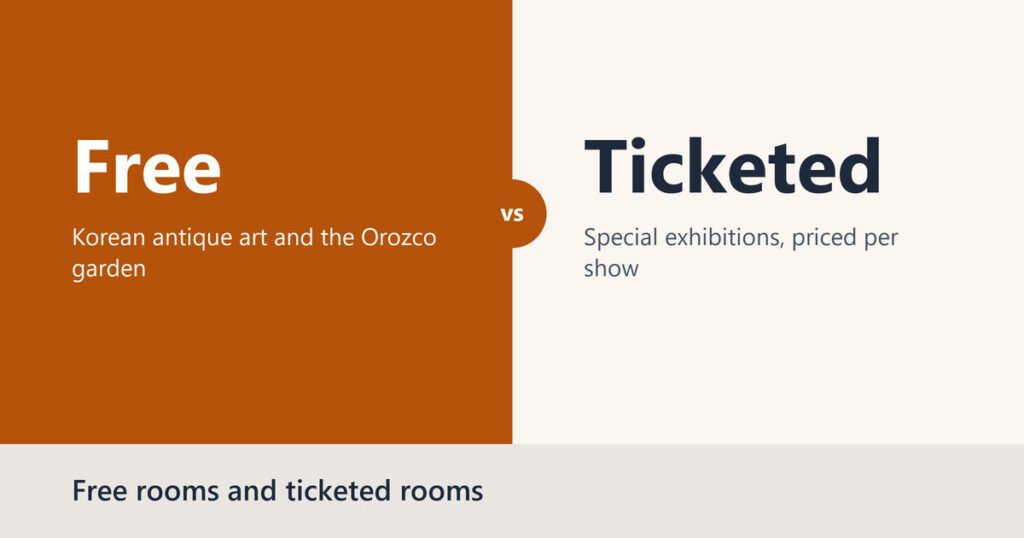
Part of Leeum Museum of Art is free: the permanent exhibition of Korean antique art and the Gabriel Orozco garden cost nothing, while the special exhibitions are ticketed. The museum’s own visit page lists exactly those two free items and names the paid shows separately, so the real question is less whether Leeum is free than which rooms you want on the day.
Hours are Tuesday to Sunday, 10:00 to 18:00, and ticket sales end at 17:30. The museum is closed on Mondays, on 1 January and on the days of Seollal and Chuseok. Everything below hangs on those two facts: where the free line runs, and how the booking slot works.

Where the Free Line Runs
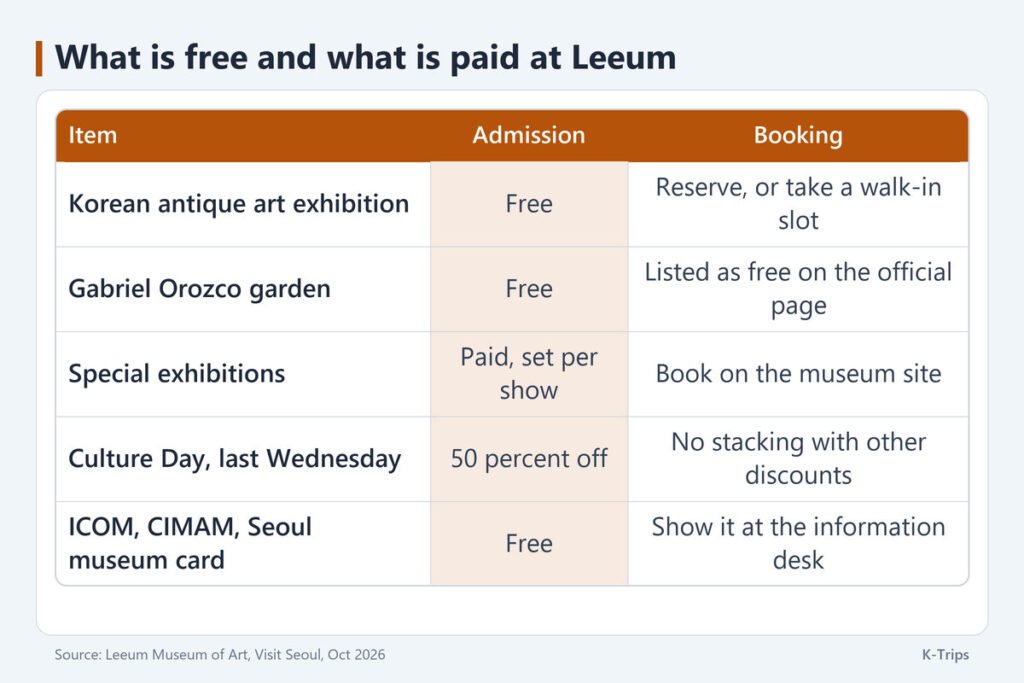
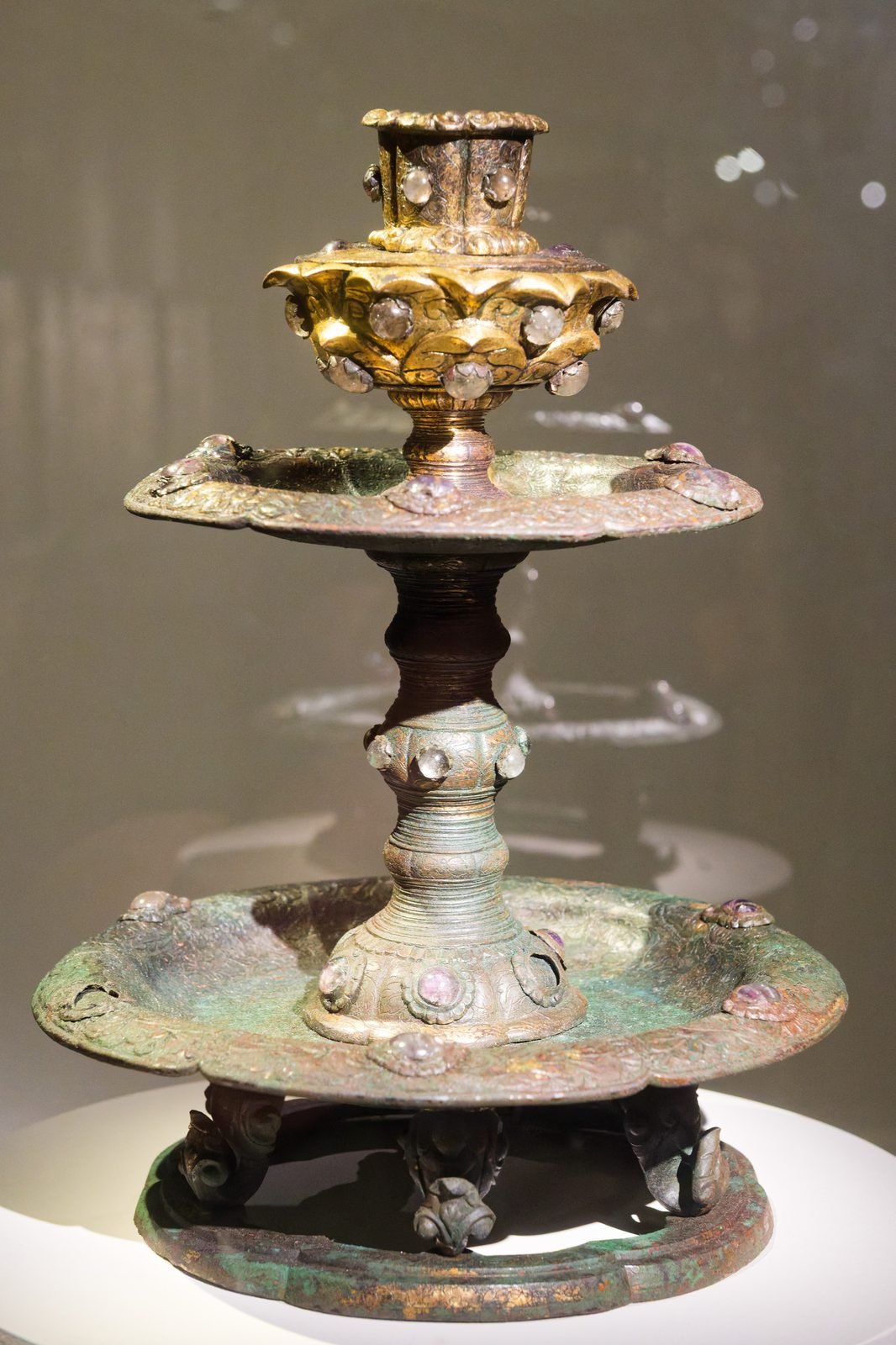
Two items stand on the free side of Leeum’s official list: the Korean antique art permanent exhibition and the Gabriel Orozco garden. Visit Seoul adds that the antique art exhibition in the first building is always open to the public at no charge, and describes it as ceramics, the museum’s signature collection, together with classical paintings, Buddhist art and metalwork.
The paid side is the special exhibitions. The official page names the current shows without printing an admission price, and the tourism listings quote different combined-ticket figures, so no price is printed here. Check the figure on the booking page for your date.
Two concessions are stated. On the last Wednesday of each month, the Culture Day, entry is 50 percent off and cannot be combined with other discounts. Holders of ICOM, CIMAM or Seoul Museum Association cards enter free at any time. Reduced and free entries are issued at the information desk against proof.
Booking the Slot
Individual bookings open 14 days before the visit date, with up to four tickets per booking, through the museum’s website. Visit Seoul says the permanent exhibitions, free ones included, run on the same reservation system. Walk-in tickets can be issued for slots that remain, but the official page warns that waits get long when the galleries are crowded and recommends booking if you have a preferred time.
The booking flow follows the museum’s own steps. Open the reservation section, pick the exhibition, then the date, time and number of people, pay if the exhibition is paid, and press the final confirm button, because a booking that is not confirmed does not hold the slot. The museum’s homepage lists Leeum and its sister museum Hoam separately, so make sure you are booking the Leeum one. Members log in first; guests use the non-member option and enter their details.
The entry window runs from 20 minutes before your slot until the next slot begins, so an early arrival is fine and a late one is a short wait at the entrance. The museum also asks you to cancel a booking you will not use, which keeps the slot available for someone else. Groups of ten or more must reserve online in advance.
Three Architects, One Hillside
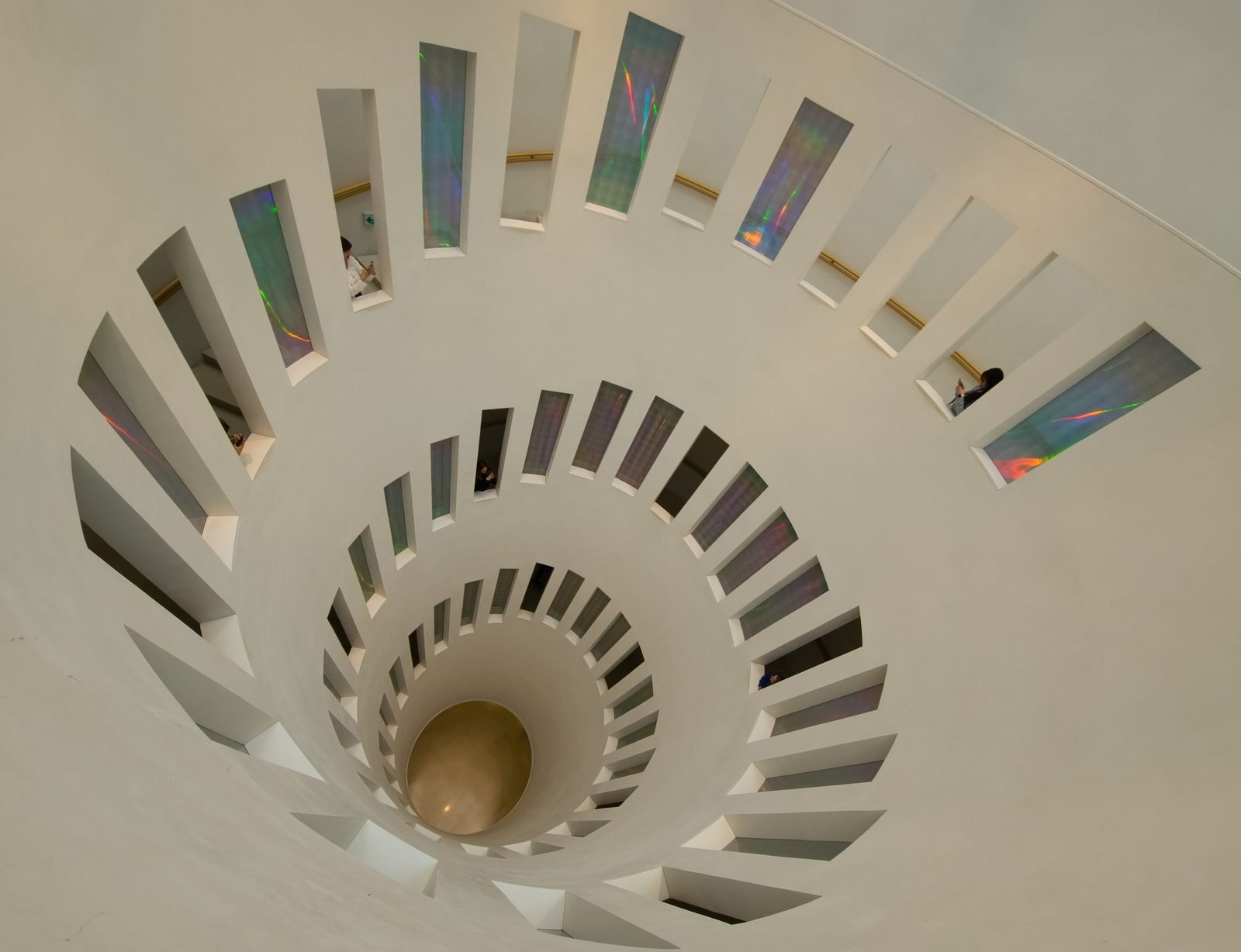
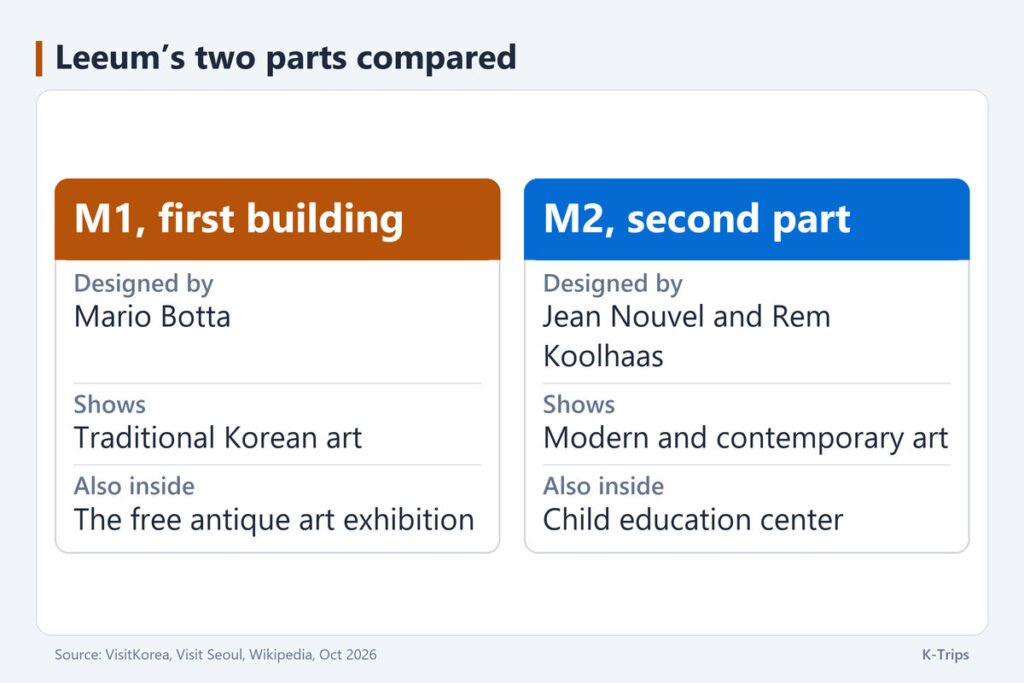
VisitKorea credits the three buildings to Mario Botta, Jean Nouvel and Rem Koolhaas. The name is the founder’s family name, Lee, plus “um” for museum, and Visit Seoul says most of the collection grew from the holdings of the late Lee Byeong-cheol, once president of the Samsung Group.
M1 and the Korean collection
M1 is the first building, designed by Botta, and it holds traditional Korean art: calligraphy, painting, ceramics and metalwork. This is the building where the free exhibition sits, which makes it the natural start for anyone who has not booked a paid show.
The galleries use the museum’s DID, short for Digital Interactive Display, a system built with Samsung Electronics displays that lets you zoom into the fine detail of an object and turn it through 360 degrees, including backs and insides that stay hidden in a case. The museum says it won a Red Dot design award in 2013 and was upgraded when Leeum reopened in 2021.

M2 and the contemporary side
M2 shows modern and contemporary work by Korean and international artists. Visit Seoul adds that the Samsung Child Education and Culture Center belongs to this side. The pages used here say that Nouvel and Koolhaas designed the second part between them but not which building is whose, so the two architects are left unassigned.
The shows that rotate
The paid special exhibitions are the part that changes. A page that lists them by name goes stale quickly, so open the booking page for your date, read what is on, and decide then whether the ticketed rooms fit your day. The free collection will still be there if they do not.
The Five-Minute Climb from Exit 1
The visit page gives the route in one sentence: leave Hangangjin Station on Line 6 by Exit 1, walk 100 metres toward Itaewon, turn right at the first alley and climb about five minutes. Buses 110A, 110B, 400 and 405 stop at the Hannam-dong Saemaeul Geumgo stop. Parking is limited, runs until 18:00 and is for museum visitors only, which is why the museum asks people to take public transport. If you are sending a taxi or a map app to the door, the address is 60-16 Itaewon-ro 55-gil, Yongsan-gu. The approach is a five-minute uphill lane; once inside, strollers and wheelchairs are lent free at the information desk.

The same station starts a longer day. Visit Seoul calls Hangangjin the most convenient starting point for Hannam-dong and Itaewon, and an Itaewon walk beyond the usual guidebook stops picks up on the other side of the hill.
Lockers, Cameras and the Free Audio Guide
A short orientation helps before you start. The floor guide puts M1 in the middle with four floors above ground and one below, and M2 on the right with two above and one below. The lower levels hold a black box on B1, the Ground Gallery and an auditorium on B2, and visitor parking on B3. Visit Seoul also notes that the museum basement holds a sunken garden beside a gabion wall, which is a wall of stone-filled metal cages.
What the lockers are for
Bags larger than a backpack cannot go into the galleries, so use the lockers. Umbrellas go in the rack in the lobby before you enter. The information desk lends strollers and wheelchairs free of charge, and a nursing room with a sofa and a baby bed sits on the lobby floor. Food and drink cannot go into the exhibition halls. Drinks and cookies bought at the lobby café can be consumed in the lobby and in the black box lounge, and the museum also runs the Leeum Store for gifts.
Photos and the digital guide
Photography without flash is allowed, except in certain special-exhibition spaces and in front of works marked with a no-photography sign. Tripods and selfie sticks are strictly restricted because they get in other visitors’ way. The digital guide, which gives commentary automatically when you stand near a work, can be borrowed free from elementary-school age up against an ID such as a passport, and Visit Seoul lists Korean, English, Chinese and Japanese. Outside guiding is not allowed: the only commentary permitted inside is the museum’s own.
Hannam-dong After the Last Slot
Visit Seoul’s arts tour of Hannam-dong describes a neighbourhood of galleries, cafés and restaurants around the museum. Not Bad Coffee Hannam sits about 130 metres from Leeum, and its rooftop looks over Namsan and downtown Seoul, which makes it a sensible place to sit down after the galleries and plan the evening. The same tour mentions Blue Square, a performance venue visible from the station exit.
If the architecture is what drew you, Seoul has another building worth visiting for its own sake: the design plaza at Dongdaemun, which is a different kind of museum experience from the hill at Hannam-dong.
Can You Walk In Without a Booking?
Yes, with a caveat. Leeum issues on-site tickets for whatever slots are left, but its own page warns that waits can be long when the galleries are crowded and suggests booking if you have a preferred time. If you need a particular time, book when your date opens 14 days ahead. Visit Seoul’s listing adds that on-site tickets are limited to what remains for each reservation time, a note it dates to 2025, so if the two pages differ, the museum’s own visit page is the one to trust.