

A K-pop agency headquarters is usually something you photograph from the pavement, and at HYBE’s headquarters in Yongsan the one public room, the HYBE INSIGHT exhibition, closed to visitors in January 2023. SM Entertainment’s headquarters in Seongsu is the contrast: its first basement level holds KWANGYA@SEOUL, a store anyone can walk into without a ticket, open every day from 10:30 to 20:00. That makes it the easiest agency stop in Seoul to plan, and one of the easiest to over-plan.

A Shop Built Into the Headquarters
Visit Seoul describes the flagship store as a K-pop cultural experience space where fans can interact with artists without a boundary between the real and the virtual, built with celebrities, fandoms and prosumers. The same page lists what that means on the floor: a media zone, a large screen area and an AR guestbook, KWANGYA perfume, four-cut photo frames and transparent OLED displays. Admission is free, and the page lists accessible restrooms and elevators. It also gives a phone number, +82-2-6233-6729, and lists the store’s website as Korean only. Because closures are announced on Instagram rather than on the page, a look at the store’s account before a holiday visit is the sensible check.
The page’s wording is promotional, with its talk of a metaverse where the real and the virtual coexist, so the concrete items are the ones to plan around: the media zone and screens, the guestbook, the perfume, the photo frames and the OLED displays. The page mentions no reservation step and no ticketing, which fits an admission listed as free.
The building is SM’s headquarters, home to aespa, NCT and RIIZE according to the Korea Tourism Organization’s fan-culture feature, at 83-21 Wangsimni-ro in Seongdong-gu. The page gives no price list; the money that can be stated is in the table at the end.
The streets around the store carry a fan-made layer of their own, the birthday café. The KTO feature says these events are usually hosted near the artist’s label and that SM’s are frequently held near the Seongsu headquarters, and it adds that labels sometimes send cakes to the organizers. For a visitor this means a café window nearby may be dressed for an artist for a few days, then back to normal; the feature gives no calendar, so there is nothing to plan around except looking. How the store sits among the other fan stops is laid out in a K-pop fan trip planned around opening hours.
Hours, Closures and the Way In
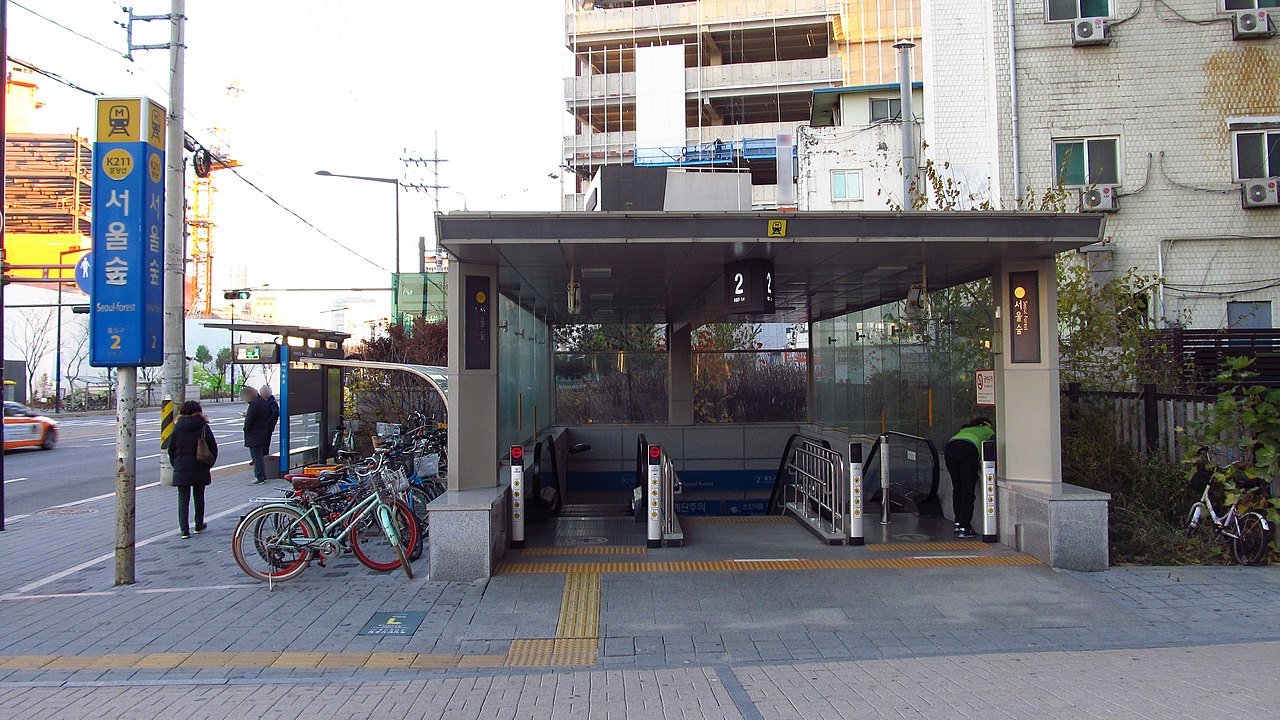
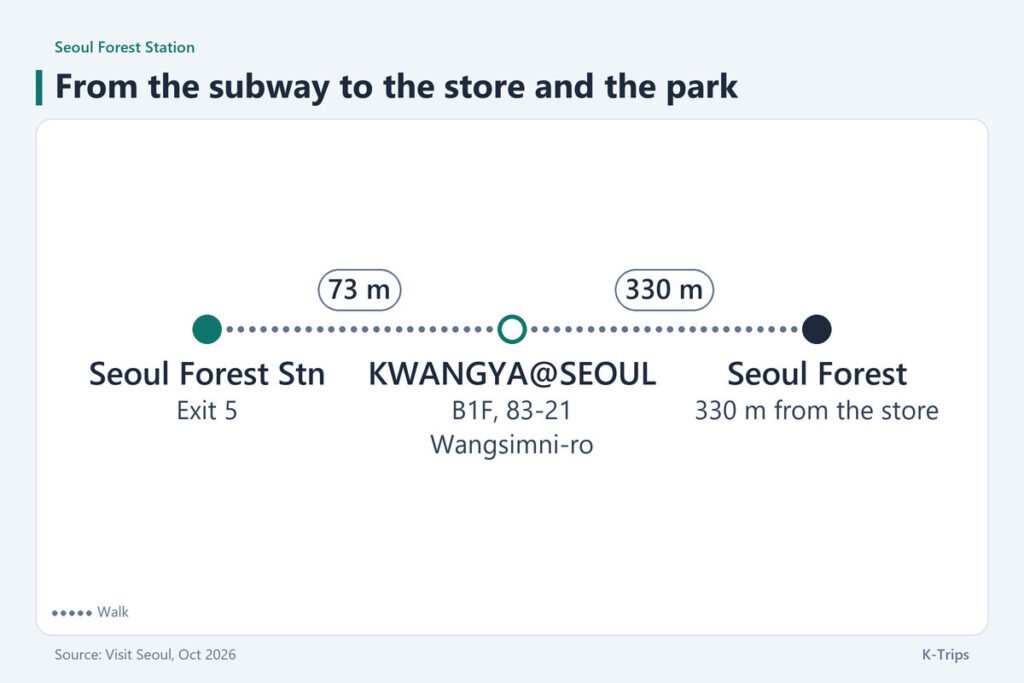
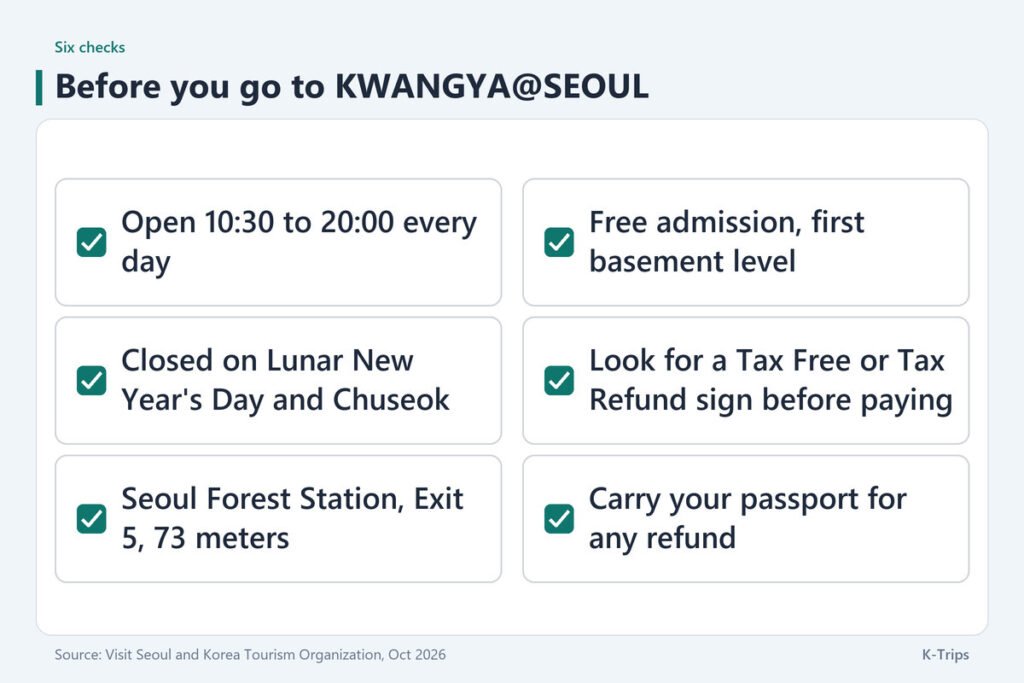
The store opens at 10:30 and closes at 20:00, every day. Visit Seoul lists it as closed on Lunar New Year’s Day and Chuseok, with the announcement made on Instagram. The address is 83-21 Wangsimni-ro, on the first basement level, and the nearest station is Seoul Forest Station on the Suin-Bundang Line, Exit 5, 73 meters away, about a minute on foot. Arriving by subway therefore leaves almost nothing to navigate, and a taxi is only useful if you are carrying luggage. The page gives no separate weekend hours and no last-entry time, so the same 10:30 to 20:00 window should be read as applying every day, and arriving an hour before closing is a safer plan than arriving at 19:55.
Because the store closes at 20:00 and the area is at its best in daylight, it is easier to treat the store as a morning or afternoon stop and fill the evening somewhere that stays open later. Opening time is the natural slot if you want to move through the media zone with fewer people around.
What Else Is Within Walking Distance
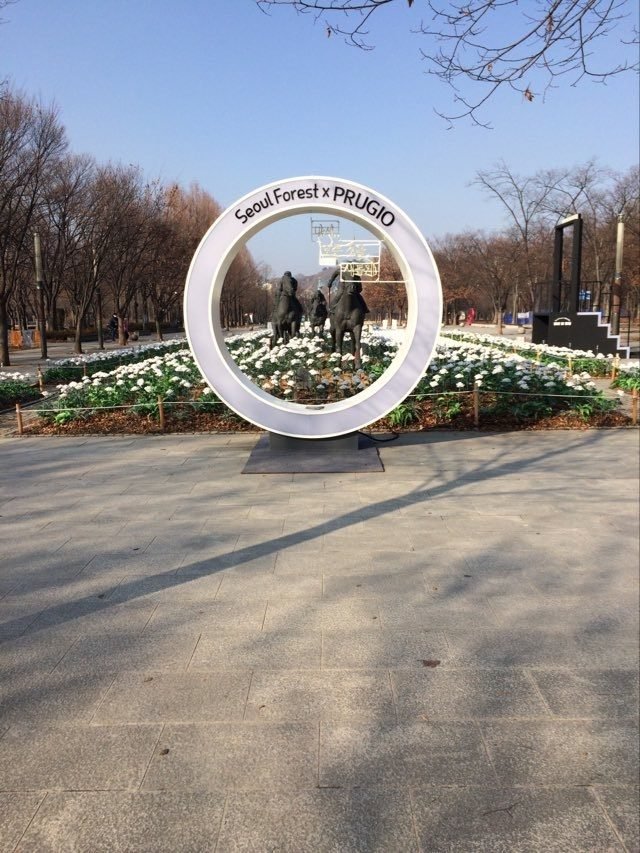
The Visit Seoul page lists Seoul Forest at 330 meters from the store, a park set up to give the center of the city more green space and places to rest, and Seongsu-dong Galbi Alley at 340 meters, known for large servings of grilled ribs at low prices. Those are the two stops that turn a short visit into a half day, and both are close enough that walking beats any other way of getting between them.
A workable order follows the distances. Open the day at the store, walk the 330 meters to the park, and let lunch fall at Galbi Alley, which sits almost as close to the store as the park does. Walking times in this post assume an ordinary pace of about 80 meters a minute, which is K-Trips’ own estimate rather than a published figure.

Seongsu’s wider character is described on the KTO page for the Seongsu-dong Cafe Street. Yeonmujang-gil was a street of old factories and a shoe-workshop district, and the page says car repair shops, printing factories and handmade shoe makers still operate among the new cafés, restaurants and select shops. It names the Daerim Warehouse, with its red brick, antique signboards and large interior, as the building that began the warehouse-style café trend there. The page lists the street as open 24 hours all year with no parking of its own, pointing drivers to the Seongsu Station public parking lot. It also says the old warehouse space suits fashion shows and exhibits. The practical point is that the store and the café street are two separate outings, each worth its own time slot, rather than a single compact stop.
Buying There and the Tax Refund Rules
Korea’s tax refund system has a published set of conditions. The Korea Tourism Organization’s page on duty free and tax refunds lists them: the purchase must be at least ₩15,000, the goods must be new, unopened and unused, and you must leave Korea within three months as a non-Korean staying less than six months. Refund-eligible shops carry a Tax Free or Tax Refund sign, and you show your passport at the register.
Visit Seoul’s page for the store does not say whether it takes part in the refund system, so the sign at the register is the only reliable test; do not assume a refund before checking. The airport, port and downtown-booth routes are laid out in the Olive Young flagship post, which follows the same conditions through a large Myeongdong store.
What a Visit Costs in Money and Minutes
A visit is cheap to price because the entry is free, and the only variable is what you buy. For a look-only trip that adds the park, the figures are:
| Item | Money | Time |
|---|---|---|
| Admission | ₩0 | n/a |
| Subway, one way, 10 km or less | ₩1,550 on a transportation card | n/a |
| Walk, Exit 5 to the store | n/a | About 1 minute for 73 meters |
| Walk, store to Seoul Forest | n/a | About 4 minutes for 330 meters |
| Round trip with the park | ₩3,100 | About 10 minutes of walking, plus browsing |
The base fare of ₩1,550 comes from the Seoul Metro fare table and covers rides within 10 kilometers; farther starts add ₩100 per 5 kilometers up to 50. The walking total is the 806 meters from the station to the store, on to the park and back the same way. The store has no minimum spend listed, and a refund only becomes relevant if a single purchase reaches ₩15,000.