
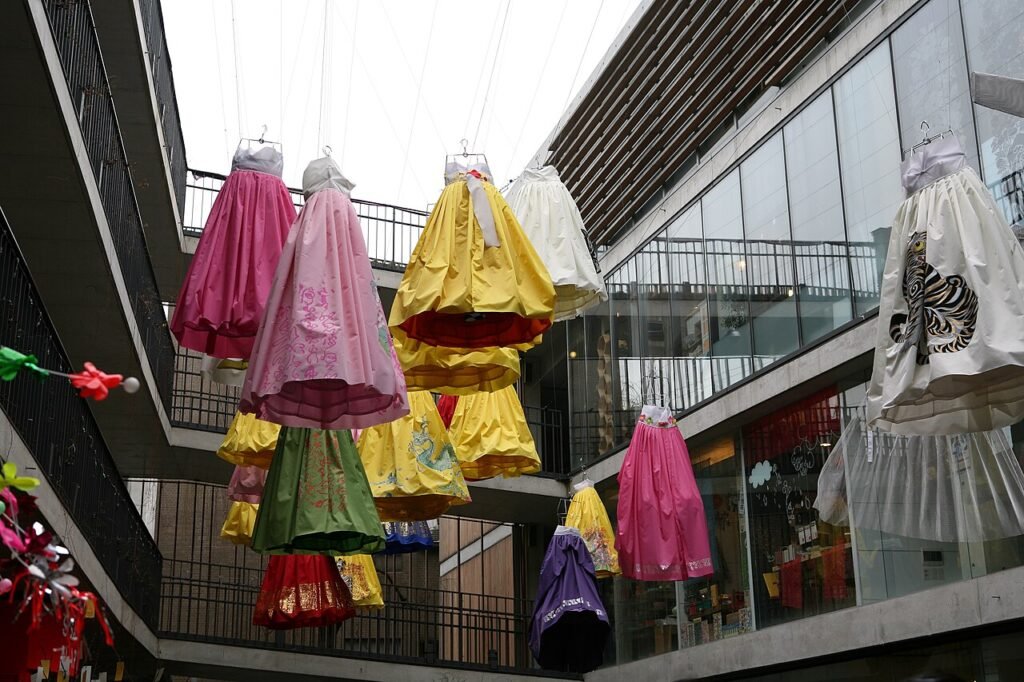
Solo Travel in Korea – Safety & Social Tips
A practical solo travel Korea guide: how safe it really is, dining alone without awkwardness, late-night rules, and the apps that keep you oriented.
A practical solo travel Korea guide: how safe it really is, dining alone without awkwardness, late-night rules, and the apps that keep you oriented.
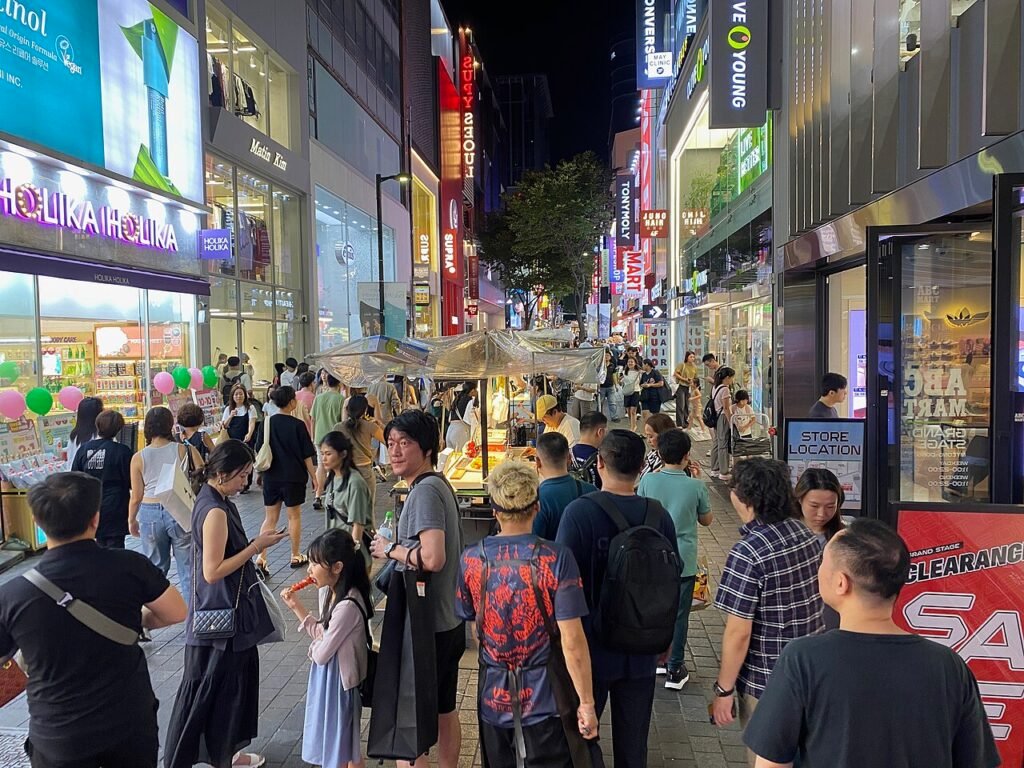
Searching “Korea late night open”? From 24h convenience stores and gukbap to jjimjilbang saunas and night buses — what really works after midnight.
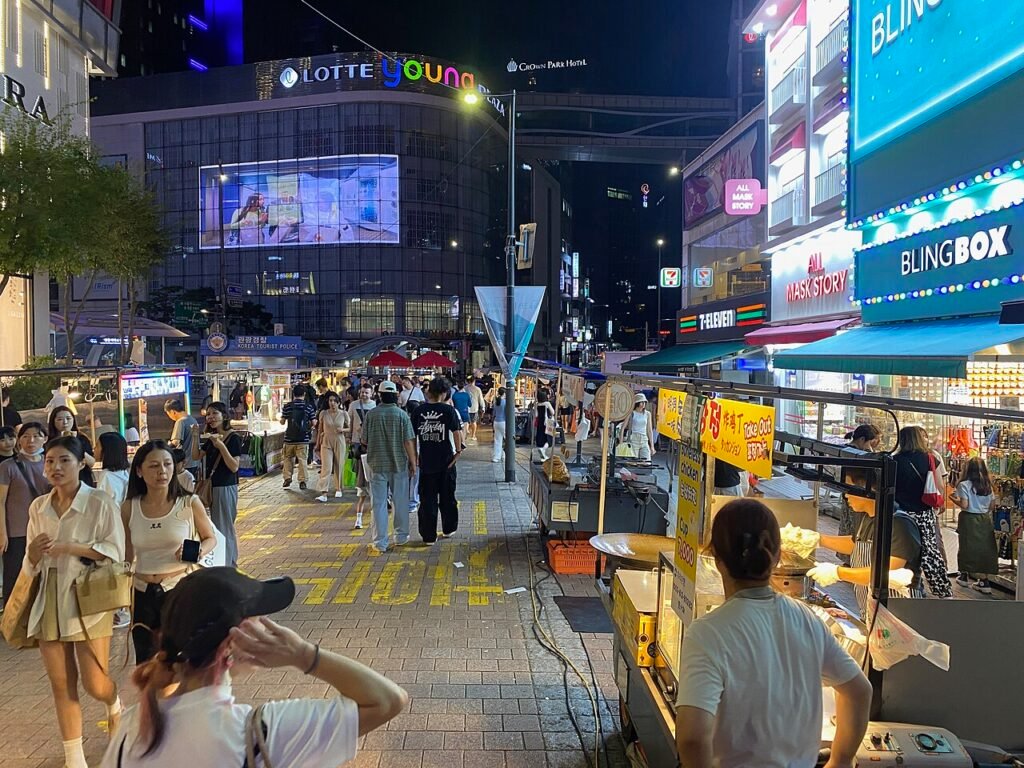
Tipping in Korea is not expected — not in restaurants, taxis or hotels. Here is why, the rare exceptions, and what to do instead to show your appreciation.
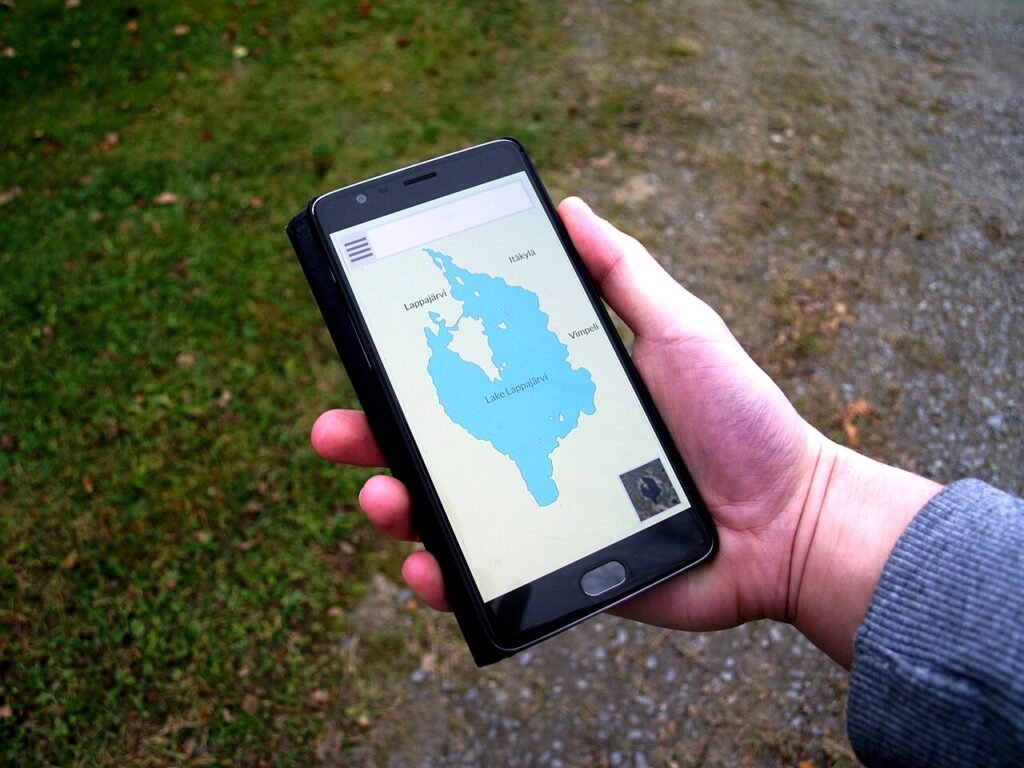
Naver Map Kakao Map showdown — which Korea travel app wins for English search, subway routes, walking routes and taxis, and when to keep both installed.
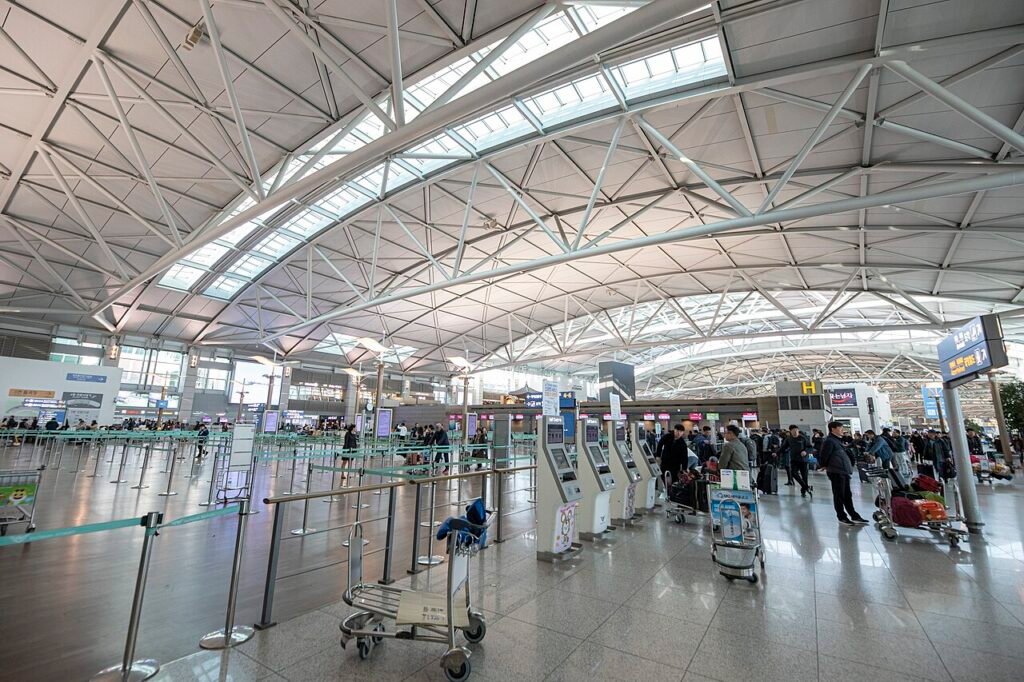
How to stay connected in Korea: SIM vs eSIM, where airport counters and prepaid data make sense, and where free Wi-Fi actually works for tourists.
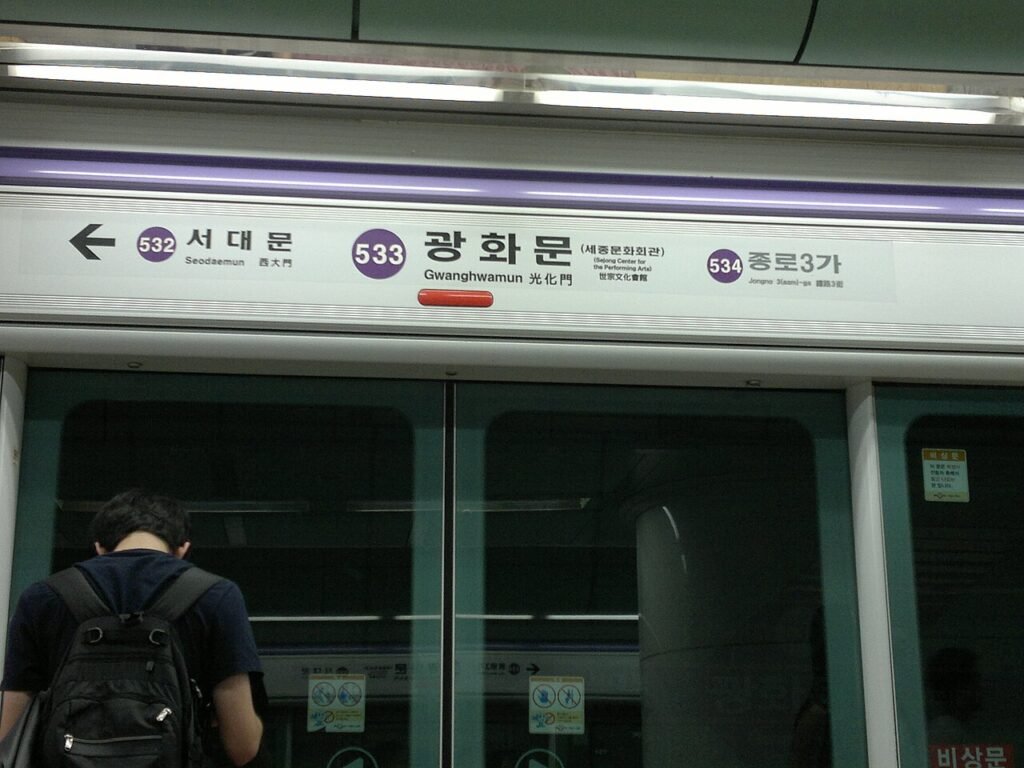
Emergency Korean phrases plus the numbers that matter — 112, 119 and the 1330 helpline — with pharmacy, hospital and lost-passport lines for Korea.
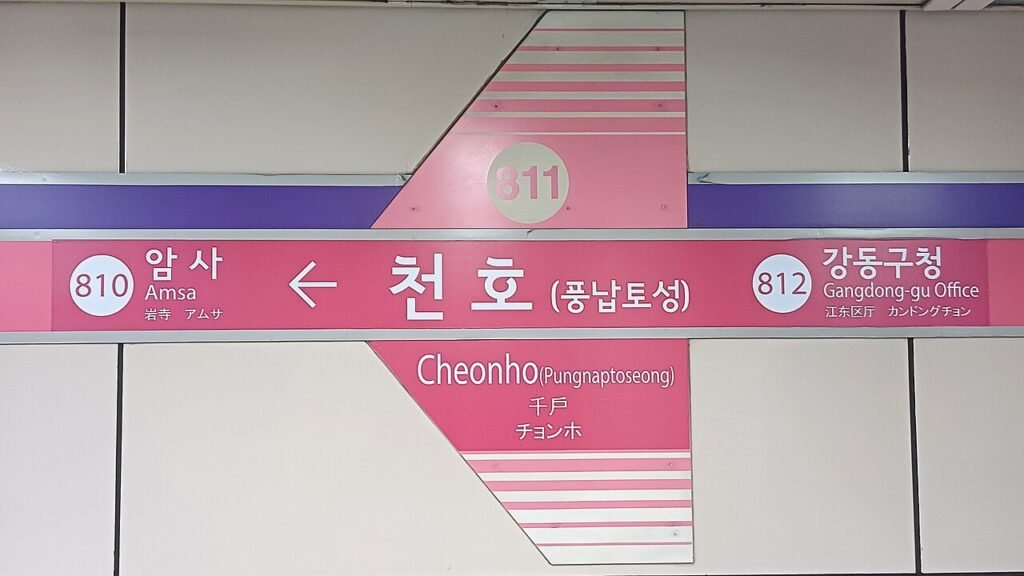
Part 4 of our Korean phrases directions guide — asking the way, subway and bus survival words, and taxi Korean that actually works, with pronunciation.
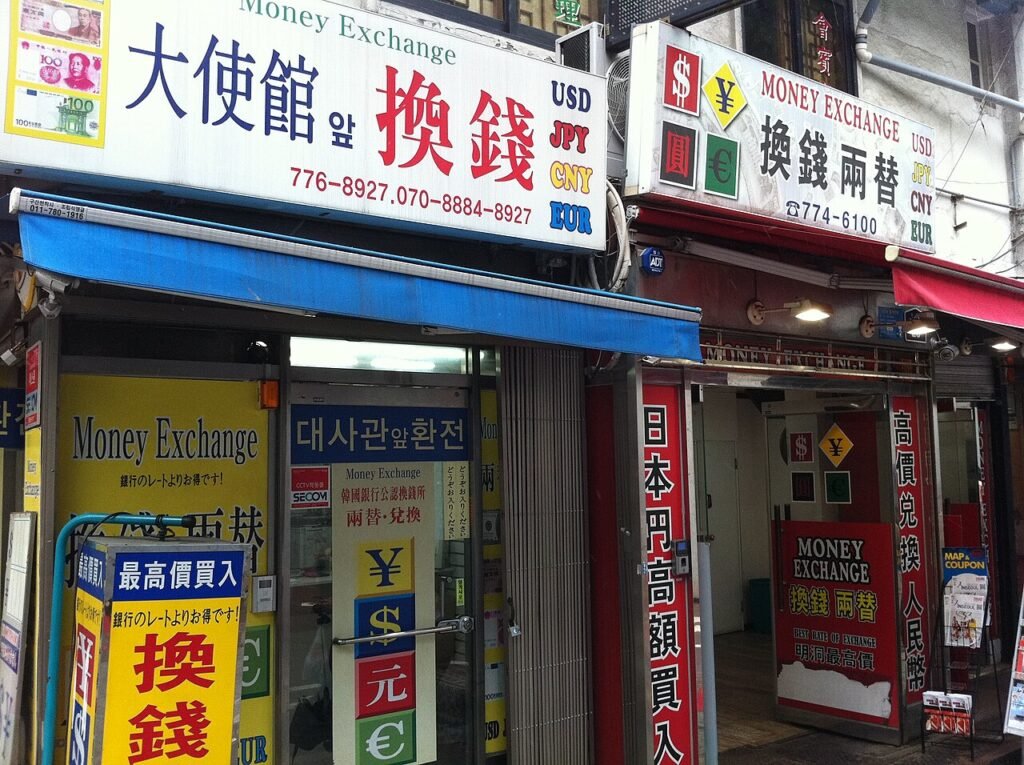
Learn the Korean phrases shopping in Korea runs on — asking prices, trying things on, paying and bargaining politely at markets, explained step by step.
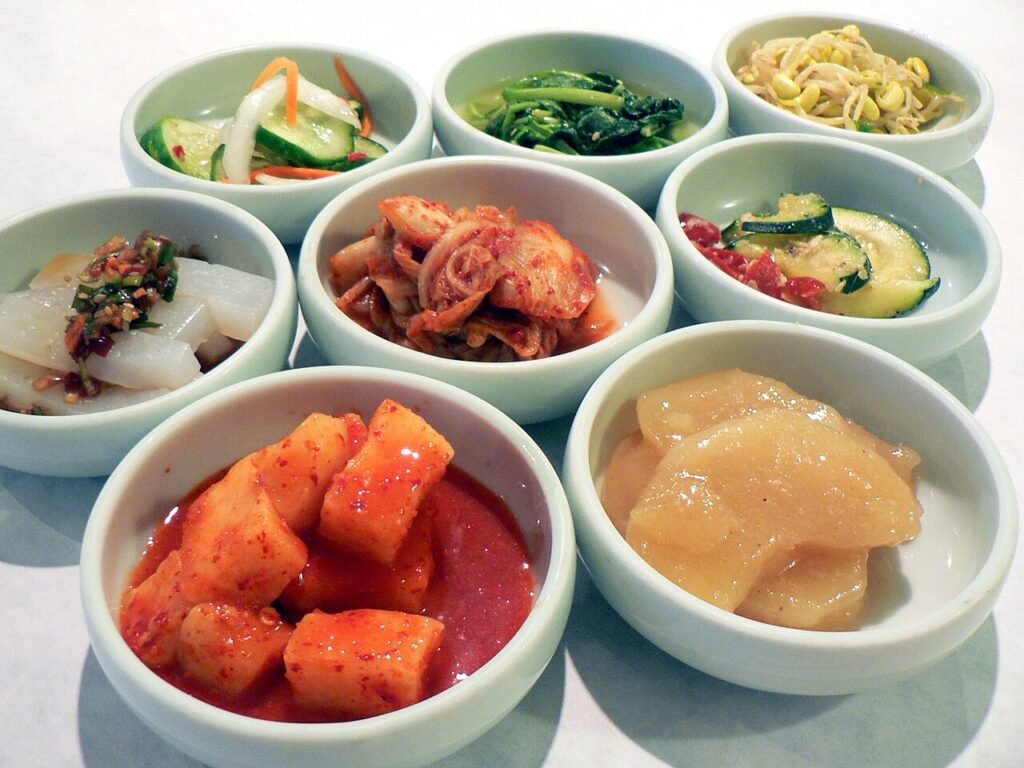
Master the Korean phrases ordering food actually requires — calling staff, taming the spice, refilling banchan, paying up — all with easy romanization.
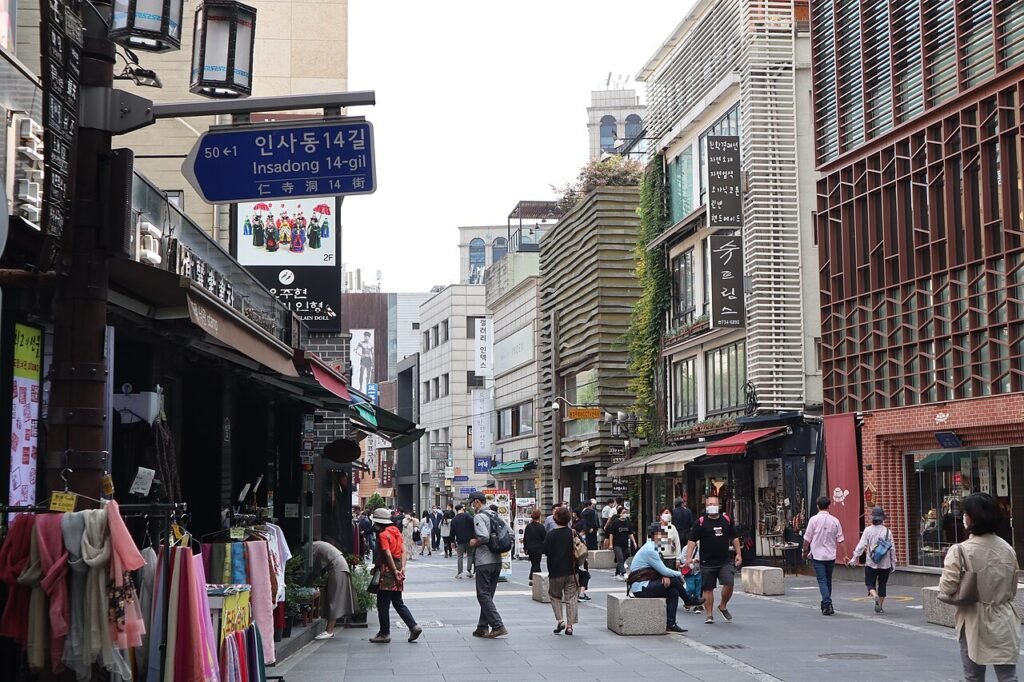
The basic Korean phrases every traveler needs — hello, thank you, sorry and goodbye — plus the politeness rules that make locals light up when you try.
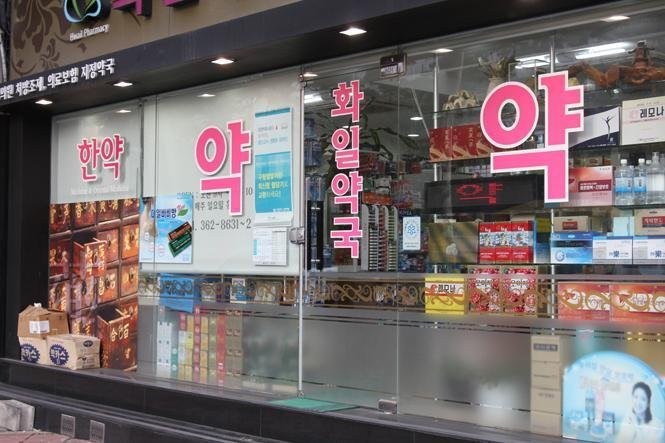
A practical Korea pharmacy guide — how to find a yakguk, explain symptoms without Korean, and get safe over-the-counter medicine day or night.
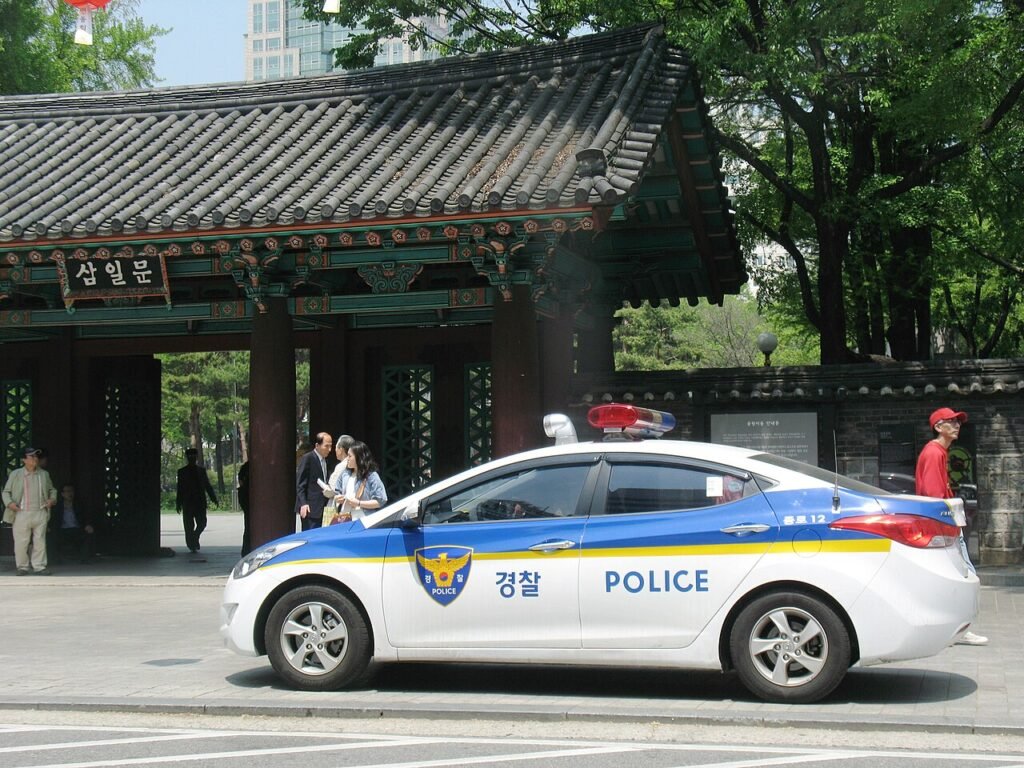
Korea emergency numbers to save before you land — 112, 119, the 1330 tourist hotline — plus who to call for lost items, medical help, and translation.